In the wake of the tragedy at Grenfell Tower in June 2017, the Scottish Government has released a new standard for fire and smoke alarms in domestic dwellings in Scotland to help prevent further house fire related deaths..

THE NEW RULES
The new standard dictates that Interconnecting, ceiling mounted heat and smoke alarms must be installed throughout every domestic dwelling in Scotland. This means that that all of the heat and smoke alarms in your home must be connected to ensure if one alarm is activated, the rest of the alarms in your home are activated as well.
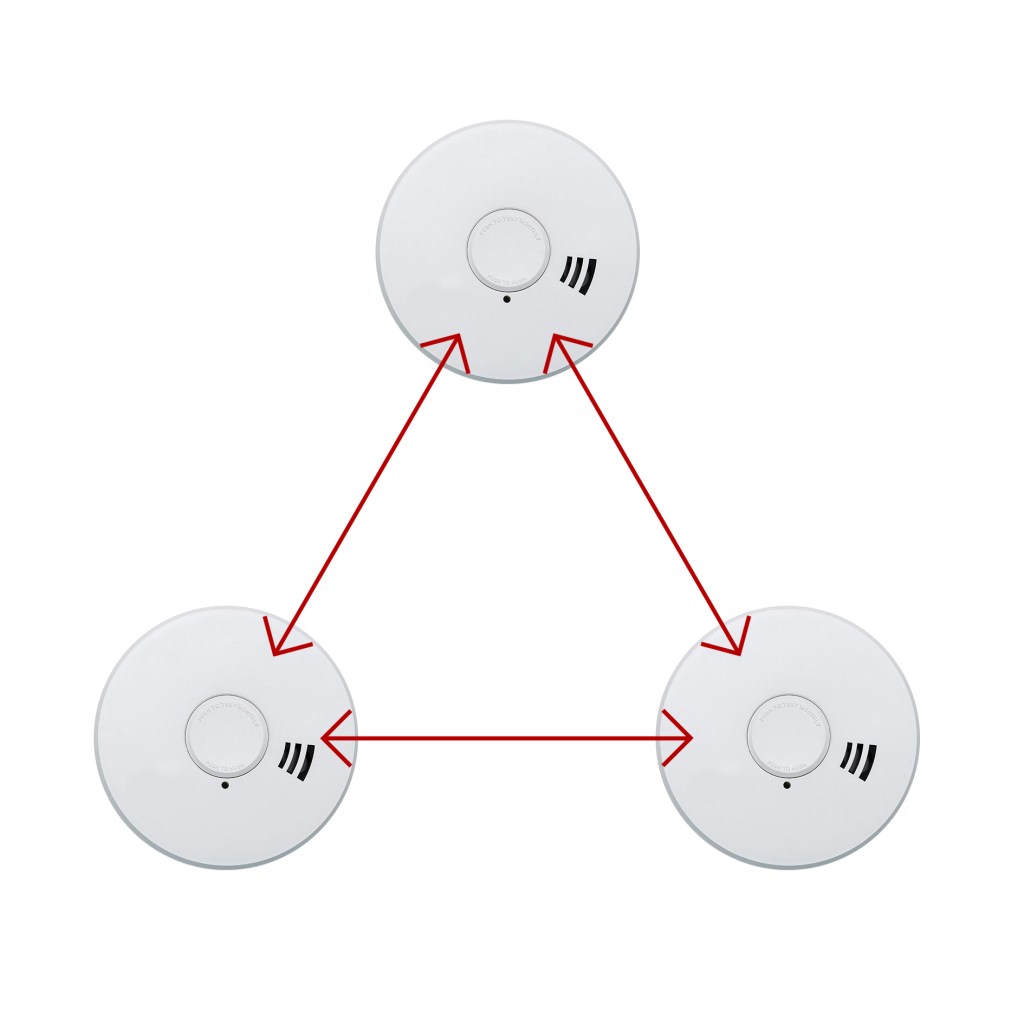
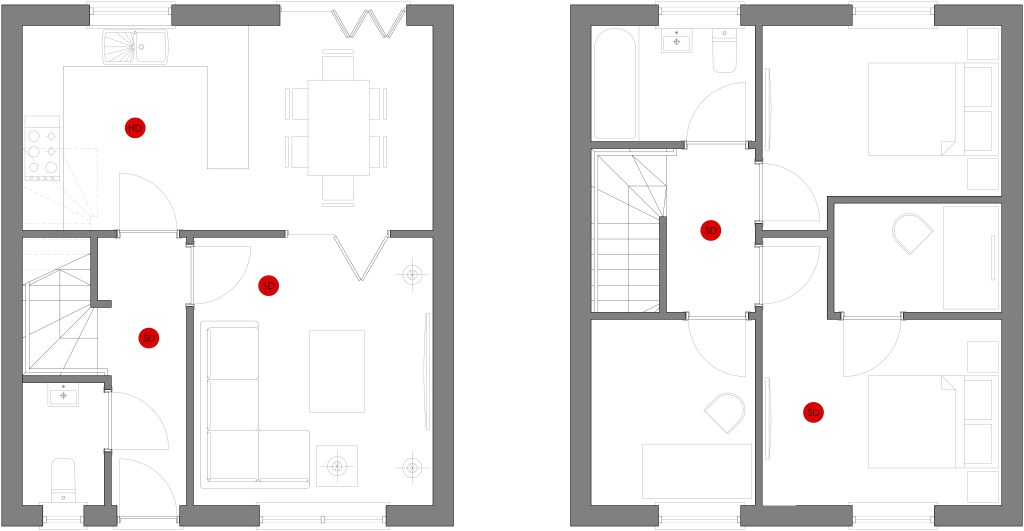
Under the new standard the following alarms must be installed in your home as a minimum requirement:
- 1 heat alarm in every kitchen
- 1 smoke alarm in the room most frequently used throughout the day (usually the living room)
- 1 smoke detector in every circulation space on each storey
- 1 smoke detector in any room serving an inner room
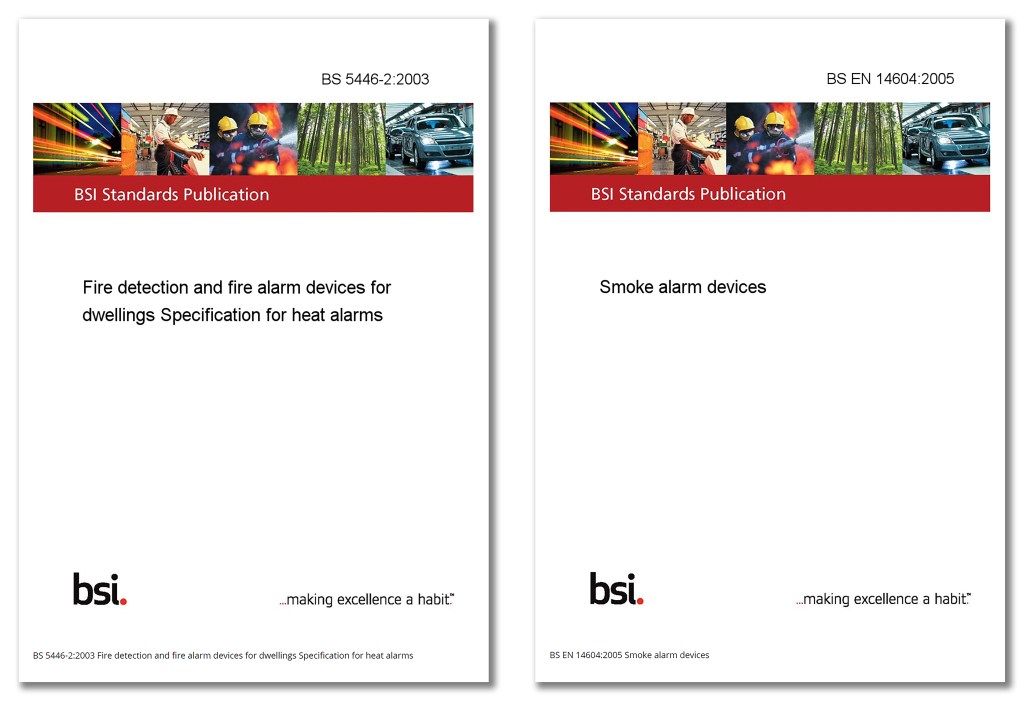
All smoke detectors must be in accordance with BS EN14604:2005 and all heat detectors must be in accordance with BS 5446-2:2003. Make sure you check the packaging before buying alarms to ensure they comply with the relevant British Standards.
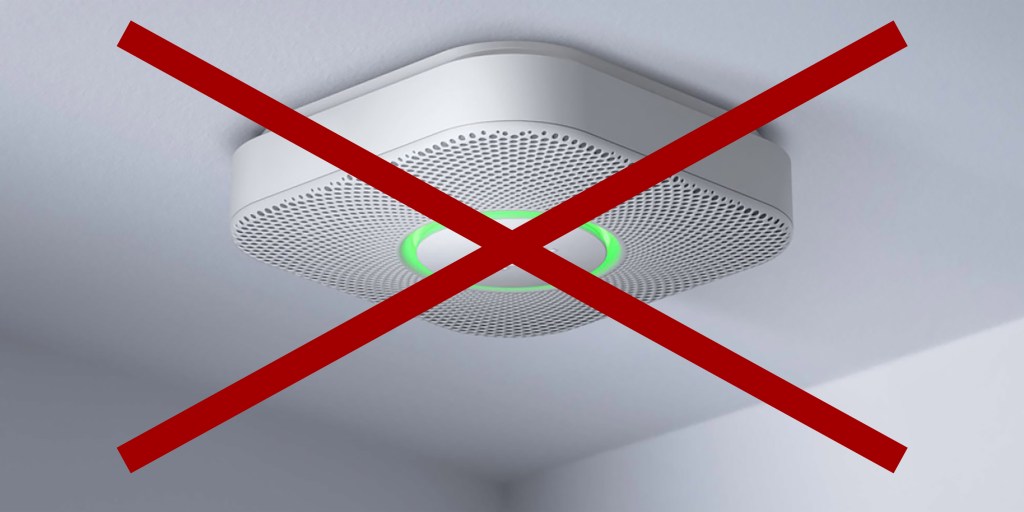
If you have a Nest Protect System installed in your home please note this system does not comply with the new standard as the requirement heat detectors in kitchens is not satisfied.
If you require specialist equipment, such as telecare or community alarms for the deaf, this should be installed in addition to the new requirements.
SYSTEM INSTALLATION
If you are installing mains wired alarms a standby power supply must be included in case of loss of power. This can consist of either tamper proof batteries or user replaceable batteries. Mains wired alarms must be installed by a qualified electrician in accordance with BS 7671. In some cases a building warrant may be required, for example if you are installing mains wired detectors in a flat.
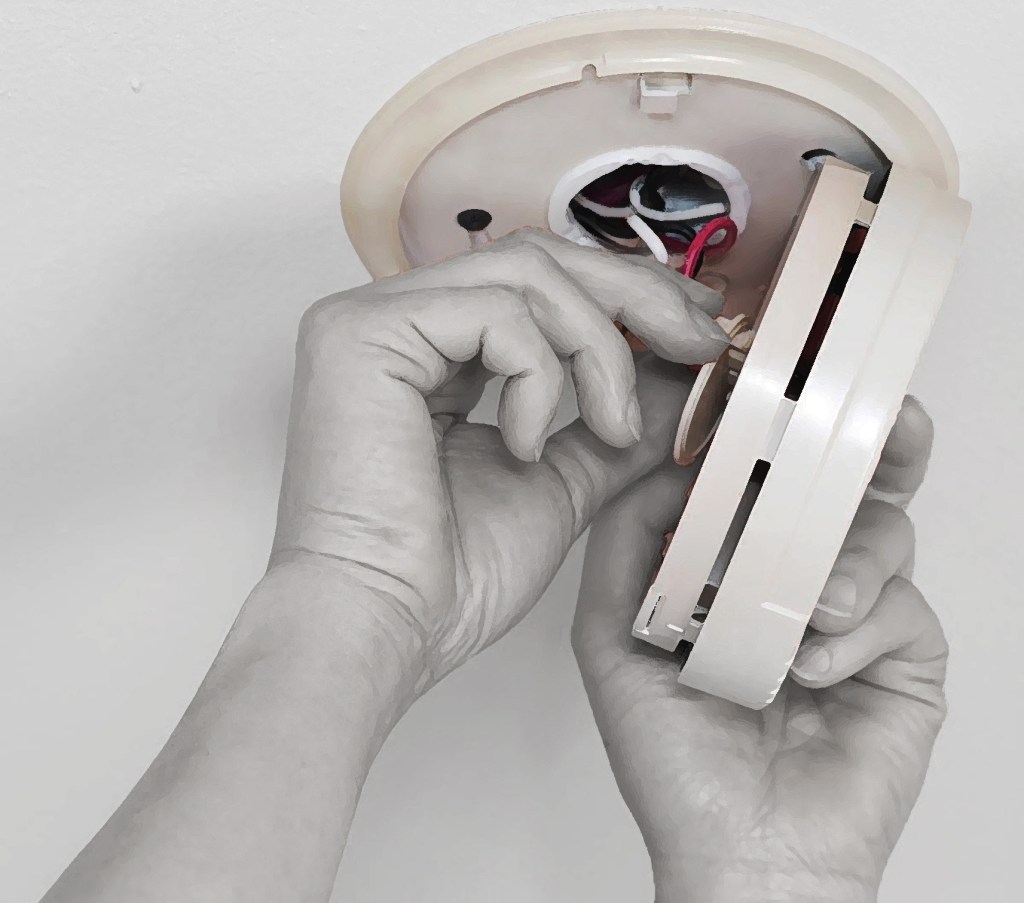
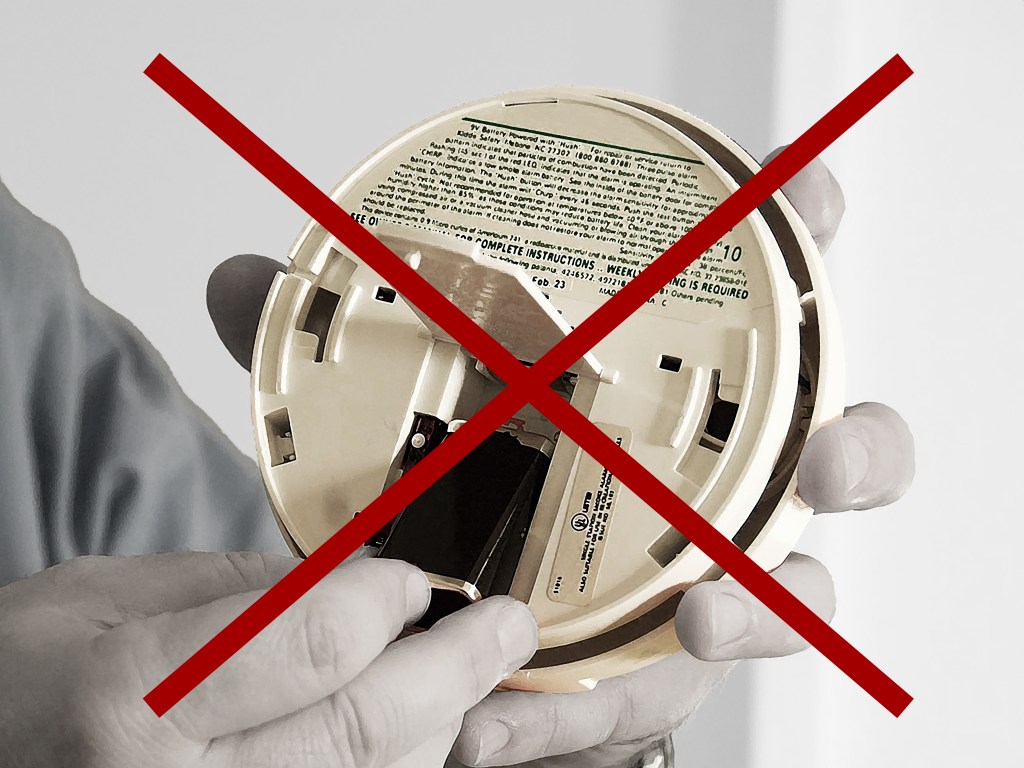
You can also install Tamper proof long life lithium battery operated alarms, provided they can be interconnected with the other alarms in the property. Tamper proof lithium batteries differ from the user replaceable batteries that have previously been used in fire and smoke alarms as they ensure the batteries cannot be removed by the user.
OTHER ALARMS REQUIRED
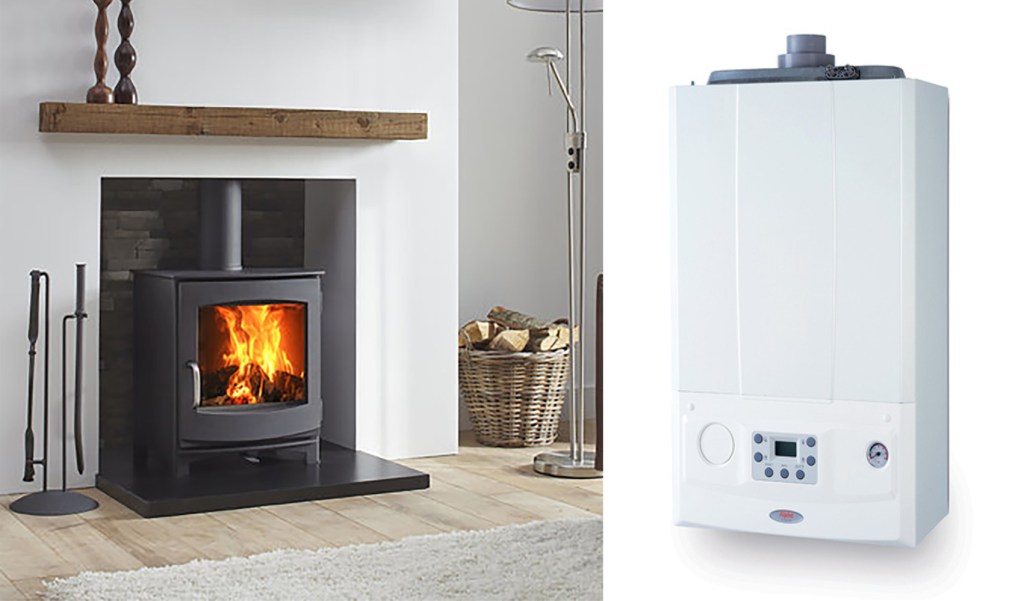
You are also required to have a carbon monoxide detector wherever you have a carbon flued appliance such as a boiler or fire (including open fires or heaters). These detectors do not need to be linked to the fire alarm system but still need to be in accordance with BS EN 50291.
Therefore it is important to check that British Kitemark (EN 50291-1) is displayed on the packaging before you purchase your alarm.

WHEN THE RULES CHANGE
The new standard was originally due to to come into effect in February 202, but that date has since been moved back to February 2022 due to the difficulties caused by the COVID-19 pandemic.

WHO THE NEW RULES APPLY TO
The new regulations apply to ALL domestic dwellings in Scotland. This differs from most building regulation updates, which usually only apply to buildings under going warrantable works. However, these regulations have been deemed so vital that even domestic properties not undergoing warrantable works will have to comply.

It is the responsibility of the property owner to ensure that their property complies. Therefore, if you are a landlord, you will have to make sure all your rented properties comply. If you are a renter, speak to your landlord and make sure they are aware of the changes in the law.
If you are unsure about how this new standard relates to you, speak to your local fire department or local building control department. You can also contact us at Atelier Linn by dropping us a message on social or emailing is at lynne.mackay@atelierlinn.co.uk.
BIBLIOGRAPHY
Housing and Social Justice Directorate (2020) ‘Fire and Smoke Alarms: Changes to the Law’, Scottish Government, 21 October. Available at: https://www.gov.scot/publications/fire-and-smoke-alarms-in-scottish-homes/(Accessed: 08/03/2021).
Local Government and Communities Directorate (2019) ‘Building Standards Technical Handbook 2019: Domestic’, Scottish Government, 17 September. Available at: https://www.gov.scot/publications/building-standards-technical-handbook-2019-domestic/ (Accessed: 08/03/2021).
 Atelier Linn